


No products in the cart.
Cannabis and fibromyalgia: finding more room for life
4 minute read · Drakensberg Cannabis Journal
For people living with fibromyalgia, a useful treatment can mean more than a lower pain score. It can mean having enough comfort and energy to take part in the day.
Fibromyalgia can make an ordinary morning feel complicated. Pain, fatigue and unrefreshing sleep can arrive together, each making the others harder to manage. A treatment that changes even part of that pattern can carry considerable personal value.
That helps explain the interest in cannabis. People are not only asking whether a plant can influence pain. They are asking whether it might help them reclaim a task, a conversation or a night’s rest that has become difficult. Clinical researchers and patient surveys are beginning to give that question more substance.
A small trial with a meaningful signal
In a Brazilian randomised, double-blind trial published in 2020, 17 women with fibromyalgia were studied over eight weeks. A defined THC-rich cannabis oil improved the overall Fibromyalgia Impact Questionnaire score compared with placebo. Within the cannabis group, researchers also reported improvements in pain, fatigue, feeling well and the ability to work. No intolerable adverse effects were reported. Chaves and colleagues’ trial was encouraging, although its very small sample and short duration leave substantial questions about longer-term effectiveness.
The choice of outcome is part of what makes the study interesting. Fibromyalgia affects a person’s life in several ways at once. Looking at overall impact acknowledges that relief may be experienced as a combination of changes, rather than as one isolated symptom disappearing.
Relief becomes meaningful when it changes what a person is able to do with the day.
Hundreds of people describe their experience
A 2024 Mayo Clinic survey received eligible responses from 1,336 people with fibromyalgia. Of the 661 who reported cannabis use since diagnosis, 536—82%—reported improved pain symptoms. Most cannabis-using respondents also reported improvements in insomnia and in stress, anxiety or depression. The published survey records perceived benefits, not a randomised treatment effect: people chose whether to use cannabis and whether to answer the survey.
Even with that distinction, the number of accounts matters. These are experiences that deserve to inform the questions clinicians and researchers ask. Why did some people find the approach useful? Which preparations were involved? Did improved rest make activity easier, or did reduced pain make rest possible? Those are practical questions with consequences beyond a statistic.
A closer look at the immediate experience
An earlier Barcelona study compared 28 cannabis-using people with fibromyalgia with 28 non-users. Two hours after their own cannabis use, users reported less pain and stiffness, greater relaxation and a stronger sense of wellbeing, alongside increased sleepiness. Other questionnaire comparisons, including overall fibromyalgia impact and sleep quality, did not show significant differences between groups. Fiz and colleagues’ observational study offers a useful picture of reported short-term effects without establishing a lasting treatment benefit.
Sleepiness itself illustrates why personal experience needs detail. Someone seeking evening comfort may describe it differently from someone trying to remain alert at work. An effect can be welcome in one situation and inconvenient in another. The person’s goals belong alongside the symptom score.
From a report to a useful conversation
A good account of benefit can be specific. “I felt better” is a beginning. “I managed a familiar task more comfortably, but felt too sleepy the next morning” provides more information. Recording function, rest and unwanted effects helps make an experience understandable to someone who was not there.
- Choose a meaningful task: something you would like to do more comfortably.
- Notice the following day: alertness and function matter as well as the evening experience.
- Record the preparation: THC-rich oil, CBD oil and other formulations are different interventions.
- Review the whole plan: movement, pacing and existing care still have a place.
Why the possibility deserves attention
The evidence is not yet strong enough to predict who will benefit or to identify a single best cannabis preparation for fibromyalgia. It is strong enough to justify serious interest in the question and better-designed trials that listen to patients’ priorities.
The studies here did not test Drakensberg Cannabis products. They explore defined preparations and experiences in other settings. A clinician can help assess interactions, individual circumstances and any planned change to prescribed medication; abrupt withdrawal should not become part of trying an alternative.
For us, the most compelling prospect is a larger range of informed choices. When a person has lived with persistent symptoms for years, another well-understood option can be valuable. Research that measures comfort and participation together brings that possibility closer to the realities of everyday life.
Research & further reading
- Chaves et al., 2020: THC-rich oil in a randomised fibromyalgia trial
- Singla et al., 2024: Mayo Clinic fibromyalgia patient survey
- Fiz et al., 2011: reported symptom relief and quality of life
Research reviewed 26 October 2026.
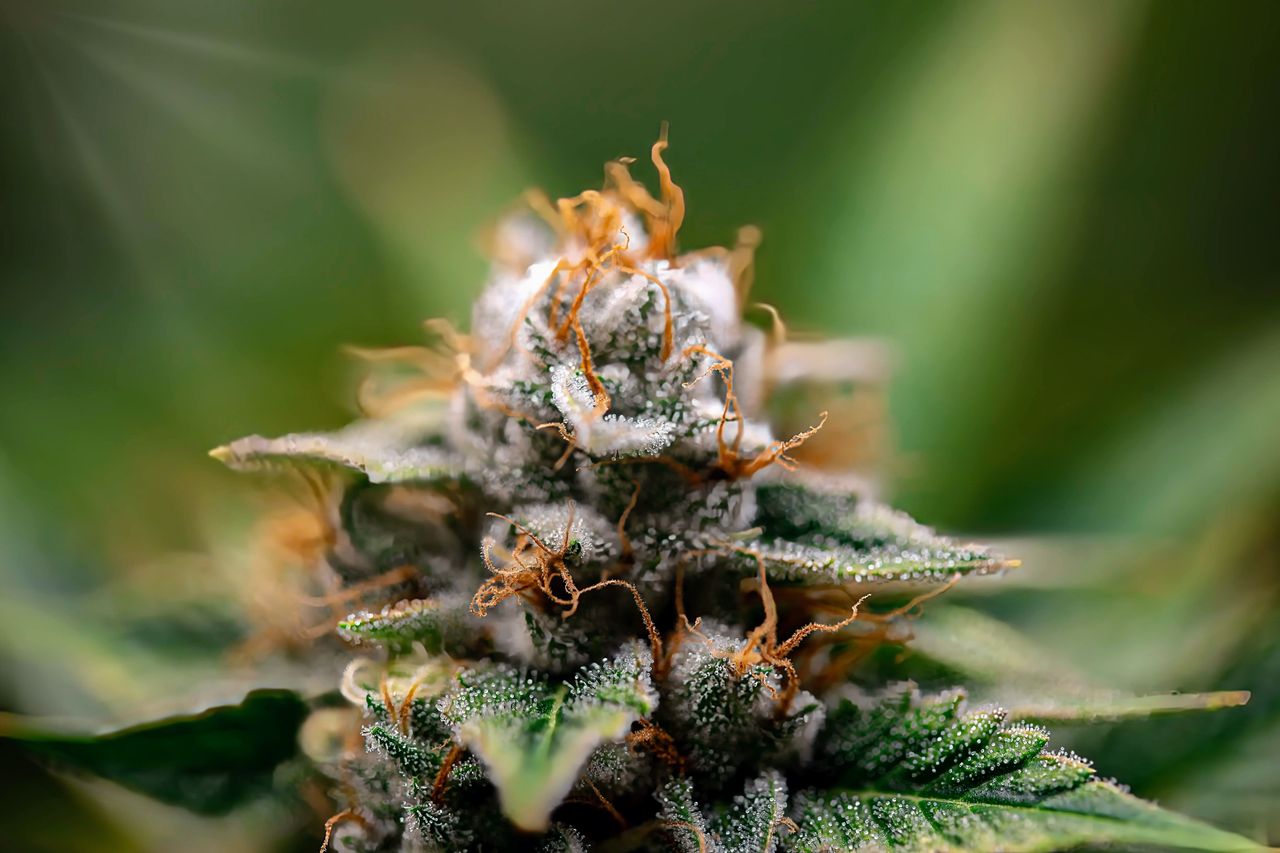
Featured photograph: Diego Barros / Pexels. Illustrative stock photography.