


No products in the cart.
Propolis: from the hive to the frontiers of healing
4 minute read · Drakensberg Cannabis Journal
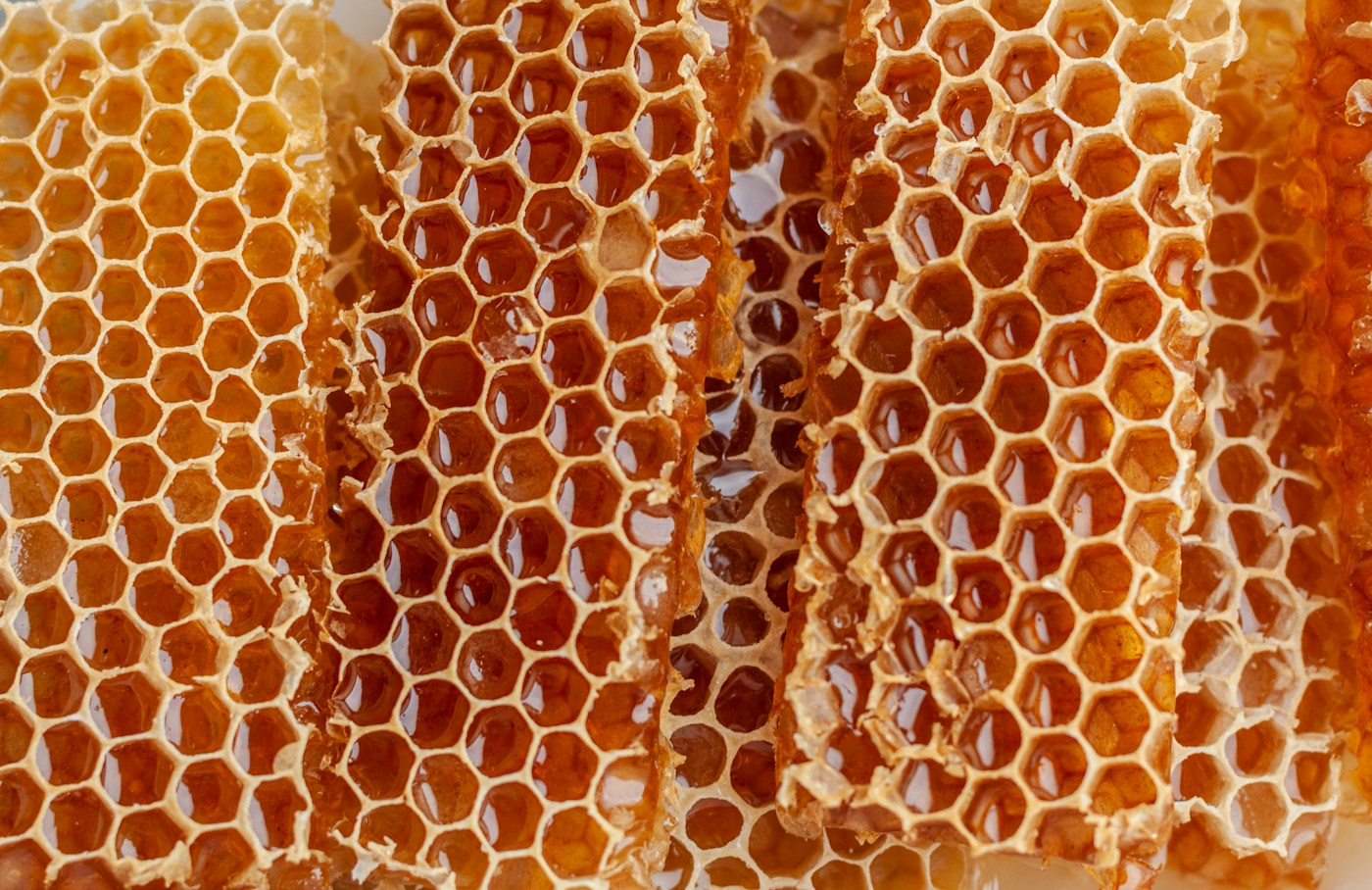
Bees turn plant resins into a remarkable hive material. Researchers are exploring what that chemistry could offer human tissue repair and recovery.
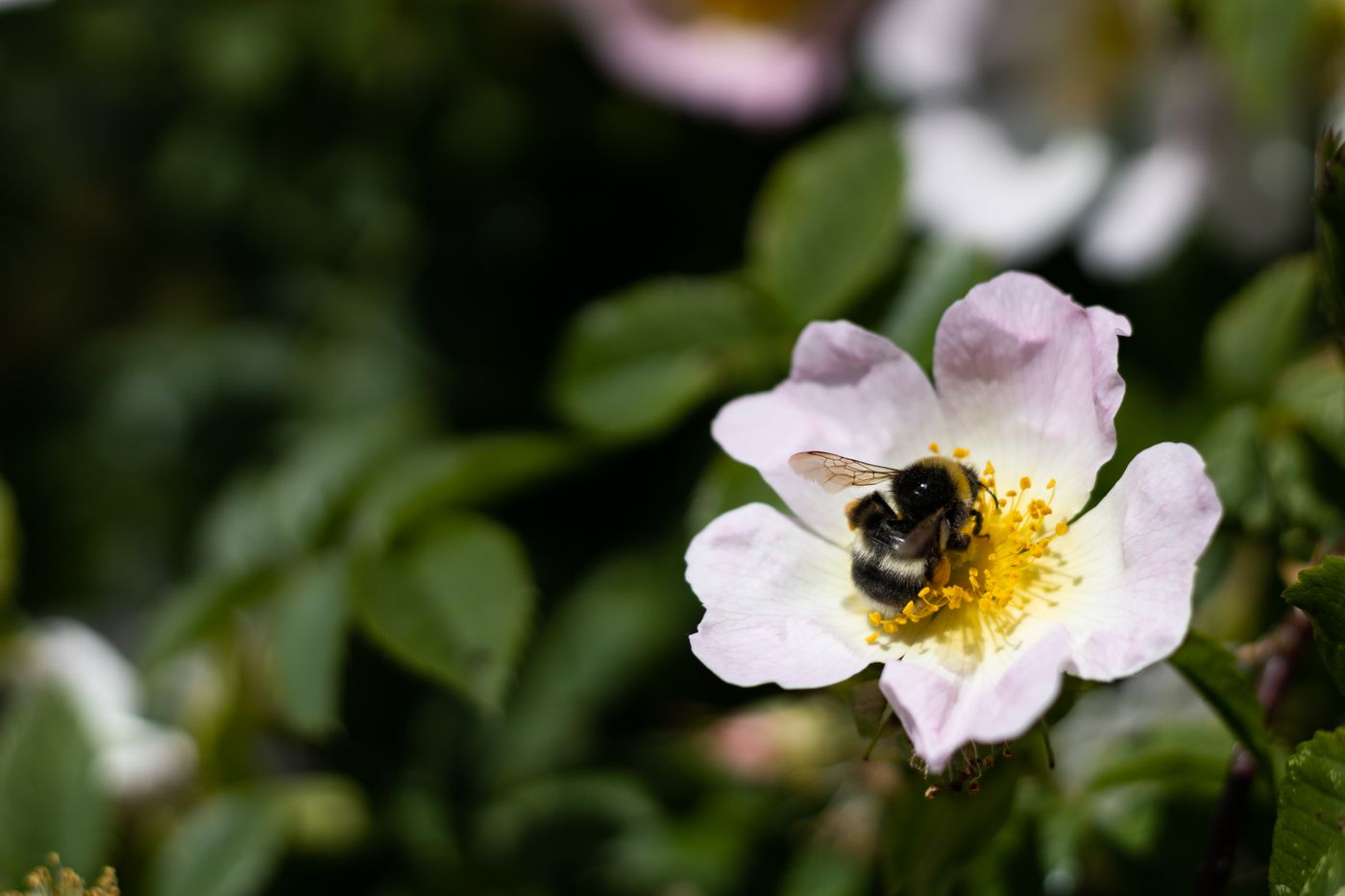
Propolis begins with a relationship. A bee visits a plant, gathers resinous material and brings it back to the colony. The resulting substance helps form the hive’s protective environment. For anyone interested in botanical medicine, it is an extraordinary starting point: plants and insects together producing a chemically complex material that has attracted attention far beyond the apiary.
Its appeal is not confined to a romantic account of nature. Human studies have investigated propolis in wound care, oral health and, more recently, exercise recovery. The emerging picture gives us real findings to discuss alongside the long history of interest in bee products.
Healing research with a tangible outcome
A randomised trial published in 2018 studied topical propolis as an addition to conventional care for diabetic foot ulcers. Over four weeks, ulcer-size reduction differed significantly between the propolis and comparison groups, although several other measures, including redness and exudate reduction, did not differ significantly. The trial investigated a specific ointment within clinical wound care.
In a separate Chilean study of 31 people receiving care for diabetic foot wounds, researchers investigated a topical propolis spray as an adjunct. They reported improved wound-area reduction and tissue findings consistent with repair, alongside changes in local inflammatory and antioxidant measures. Mujica and colleagues published their results in 2019.
These are small studies, but they ask a substantial question: can a bee-derived preparation contribute to the difficult process of tissue healing? The findings justify continued clinical investigation. They are not instructions to put a retail tincture on an ulcer; diabetic wounds need professional assessment and ongoing care.
A newer direction: recovery after exercise
A 2025 randomised placebo-controlled study explored a standardised Brazilian green propolis extract in 22 resistance-trained women. Following an exercise protocol designed to cause muscle damage, the propolis group showed less soreness and faster recovery of a measured strength outcome, with differences in ultrasound markers as well. The study is an encouraging early signal from a small, specific population. One author was affiliated with the extract’s manufacturer.
It also broadens the discussion. Propolis is being explored not only where tissue is injured, but where recovery determines how a person feels and functions after physical effort. Larger independent studies could help clarify which preparations are useful, for whom and under what conditions.
The most compelling propolis story is unfolding where botanical chemistry meets something people can feel: repair, comfort and recovery.
Why origin makes this material interesting
Propolis is not a single molecule or a universal recipe. Bees collect from the plants available to them, and different botanical origins can produce different profiles. Brazilian green propolis, for example, is not automatically chemically equivalent to South African propolis. That variation is a research opportunity as well as a reason to describe a preparation carefully.
For a maker, it invites attention to source, extraction and consistency. For a reader, it offers a richer story than treating every bottle bearing the word “propolis” as identical.
And what about CBD with propolis?
Our ingredient list includes a CBD and propolis tincture. It brings two materials of considerable scientific interest into one preparation. The research described here, however, tested particular propolis preparations; it did not test our combination or demonstrate a special clinical synergy between CBD and propolis.
That unanswered question is worth stating plainly, without allowing it to erase what the ingredient research has already shown. There are promising human findings to explore and a great deal still to learn about preparation, composition and practical use.
At Drakensberg Cannabis, our interest in natural materials is grounded in the wish to understand them more deeply. Propolis rewards that attention: a small piece of the hive that connects local plants, skilled preparation and an expanding field of healing research.
Research & further reading
- Afkhamizadeh et al., 2018: adjunct topical propolis in diabetic foot ulcers
- Mujica et al., 2019: propolis in clinical diabetic wound care
- Ramos Junior et al., 2025: green propolis and exercise recovery
- Memorial Sloan Kettering: propolis background and allergy information
Research reviewed 26 October 2026.
Featured photograph: Cristina Marin / Unsplash. Illustrative stock photography; not a record of our premises or production.